- Contact: +91-9270109498 | 020 24352449
- Email: kuldeepdole@yahoo.co.in

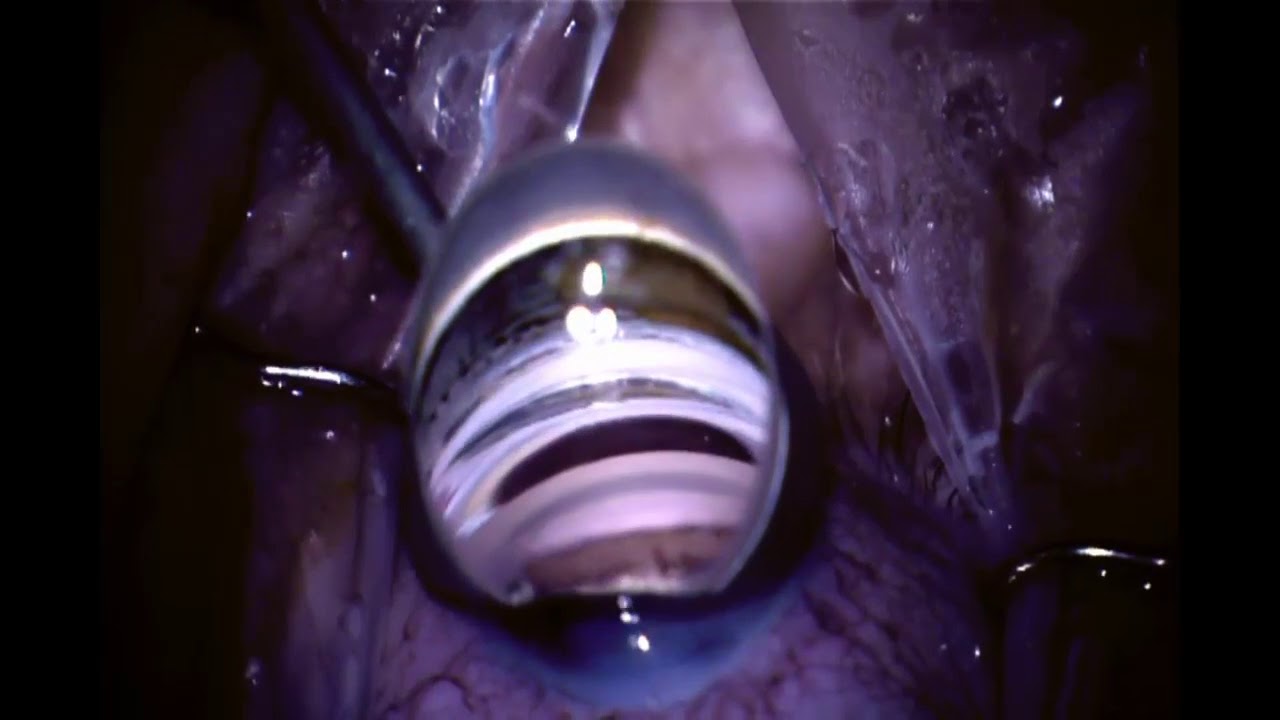
Canaloplasty in Pune: Restoring Vision with Advanced Surgical Technique
Canaloplasty is an innovative surgical procedure that offers hope to individuals suffering from glaucoma. This debilitating eye condition affects millions of people worldwide. With its remarkable success rate and long-lasting benefits, canaloplasty has gained popularity as an effective treatment option.
Dole Eye Hospital, known for its advanced medical facilities and skilled healthcare professionals, canaloplasty has emerged as a reliable solution for restoring vision and improving the quality of life for patients.
Introduction to Canaloplasty
Canaloplasty is a minimally invasive surgical procedure designed to treat glaucoma, characterized by increased intraocular pressure that can lead to optic nerve damage and vision loss.
Unlike traditional treatment approaches, such as medications or trabeculectomy, canaloplasty focuses on restoring the eye's natural drainage system. By enlarging the eye's drainage canal and improving fluid outflow, canaloplasty helps regulate intraocular pressure and prevent further damage.
Glaucoma: Causes
Glaucoma can occur due to various factors, including age, genetics, and certain medical conditions. The condition gradually develops over time and often remains asymptomatic in the early stages. Elevated IOP is the most common cause of glaucoma, which can occur when the fluid (aqueous humor) inside the eye does not drain properly. This can lead to damage to the optic nerve over time.
Glaucoma Symptoms
- blurred vision,
- eye pain,
- headaches,
- and decreased peripheral vision.
Diagnosing and treating glaucoma early is crucial to prevent irreversible vision loss.
Traditional Treatment Approaches for Glaucoma
Before the advent of canaloplasty, traditional treatment options for glaucoma mainly focused on reducing intraocular pressure through medications, laser surgery, or trabeculectomy. While these approaches can provide temporary relief, they often require lifelong use of medications or repeated surgeries. Moreover, they may carry certain risks and limitations, making canaloplasty an appealing alternative.
How Canaloplasty Works: Step-by-Step Procedure
Canaloplasty is performed under local anesthesia and typically takes about an hour to complete. The procedure involves the following steps:
- Creation of a tiny incision in the eye to access the drainage canal.
- Delicate insertion of a microcatheter to navigate through the canal, enlarging it with the help of a gel-like substance.
- Placement of a tensioning suture to reinforce the canal and ensure its proper functioning.
- Removal of excess fluid and closure of the incision.
Benefits of Canaloplasty
- Canaloplasty is a minimally invasive surgical procedure used to treat glaucoma. This progressive eye condition can lead to vision loss.
- It is a safe and effective alternative to traditional glaucoma surgeries such as trabeculectomy or tube shunt procedures.
- Canaloplasty helps reduce intraocular pressure (IOP), the primary goal in managing glaucoma.
- It involves creating and dilating a natural drainage channel within the eye called Schlemm's canal, allowing for improved outflow of aqueous humor.
- By restoring the natural drainage system, canaloplasty helps regulate fluid flow within the eye, reducing IOP and preventing damage to the optic nerve.
- The procedure is less invasive than traditional surgeries, resulting in a faster recovery time and reduced risk of complications.
Postoperative Care and Recovery
Following canaloplasty, proper postoperative care is vital for a smooth recovery.
- Your surgeon will provide detailed instructions regarding eye drops, medications, and activities to avoid during healing.
- Avoid rubbing or touching the eye.
- Avoid caffeine or limiting activities that increase eye pressure, like strenuous exercise or lifting weights.
- It is essential to attend follow-up appointments to monitor the progress and ensure the best possible outcome.
- After a successful canaloplasty procedure, most patients experience improved vision and reduced dependence on glaucoma medications.
Frequently Asked Questions (FAQs)
Q1: Is canaloplasty a painful procedure?
Canaloplasty is performed under local anesthesia, ensuring the procedure is painless. However, patients may experience some mild discomfort or a foreign body sensation in the eye during the recovery period.
Q2: How long does the effect of canaloplasty last?
Canaloplasty offers long-term benefits, and its effects can last several years. Regular follow-up visits with your ophthalmologist are essential to monitor the intraocular pressure and ensure the ongoing success of the procedure.
Q3: Can canaloplasty be performed on both eyes simultaneously?
In most cases, canaloplasty can be performed on both eyes simultaneously or during separate procedures, depending on the individual's condition and the surgeon's recommendation.
Q4: Are there any restrictions or limitations after canaloplasty?
Your surgeon will provide specific guidelines for postoperative care, including restrictions on strenuous activities, swimming, and rubbing the eyes. It is crucial to follow these instructions to promote proper healing and minimize the risk of complications.
Q5: How long does a canaloplasty procedure take?
On average, canaloplasty takes approximately one hour to complete. However, the duration may vary depending on the complexity of the case.
Q6: Can canaloplasty be repeated if needed?
In some cases, canaloplasty may need to be repeated or combined with other treatment modalities to ensure optimal results. Your surgeon will evaluate your situation and recommend the most appropriate action.